
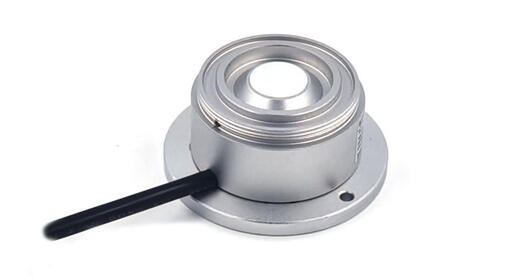
L-PAR(1) PAR Sensor with RS485 RS232 for 400-700nm range
Product Description
Photosynthetically Active Radiation (PAR sensor) in the 400-700nm range is crucial for plant growth. Our PAR sensor features a robust aluminum alloy housing, excellent sealing, high accuracy, strong stability, and anti-interference capability. Widely used in agriculture, greenhouses, aquaculture, and laboratories.
Technical Parameters
| Parameter | Specification | |
| Measuring Range | 0–1500 W/m² (Energy) | 0–5000 μmol·m⁻²·s⁻¹ (Quantum) |
| Resolution | 1 W/m² | 1 μmol·m⁻²·s⁻¹ |
| Spectral Range | 400–700 nm | |
| Response Time | ≤5 ms (95%) | |
| Non-linearity | ±4% | |
| Directional Response (≤80° zenith) | ±10% | |
| Temperature Response (-20~60°C) | ±5% | |
| Annual Stability | ±3% | |
| Spectral Bandwidth | (400±10) nm ~ (700±10) nm | |
| Spectral Selectivity Error | ±5% | |
| Response Outside Bandwidth | ≤10% | |
| Protection Class | IP67 | |
| Working Environment | -40-80°C, 0-100% RH | |
| Cable Length | 2 m (customizable) | |
| Power Consumption | ≤100 mW @ 5 V | |
| Power Supply | DC 9–30 V; DC 5 V or others | |
Application:
The PAR sensor is mainly used in the following areas , enabling precision light optimization for improved crop yield and energy efficiency:
- Controlled environment agriculture: greenhouses, plant factories, and seedling nurseries for natural light monitoring, LED supplemental lighting control, DLI calculation, and photoperiod management.
- scientific research :photosynthesis studies, light response curves,
- ecological research:canopy light interception,
- ornamental horticulture: succulents, orchids,
- turf management,
- algae cultivation in aquaculture.
FAQ of PAR Sensor:
- Can the sensor measure LED lighting?
Yes. PAR sensors measure all light within the 400-700nm spectrum, accurately detecting natural sunlight, LED, and HPS lamps. - Can the cable be extended?
Yes. Please specify your required cable length in advance. - Why do PPFD values vary significantly across locations?
This is normal. Light is usually weaker at edges and corners and stronger in the center due to obstructions. Install sensors at representative positions for accurate data. - What is the difference between PAR and Lux?
PAR measures photosynthetically active radiation (400-700nm, μmol/m²/s), Lux measures human-visible illuminance (lm/m²). PAR is a more scientifically accurate indicator of plant light requirements.
Related Products
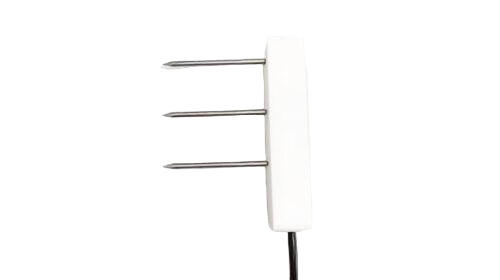
S-TMEC Smart Irrigation FDR Substrate Moisture Sensor
VWC, EC, Temperature measurement; Perfect for substrate/soil growing in smart agriculture,etc
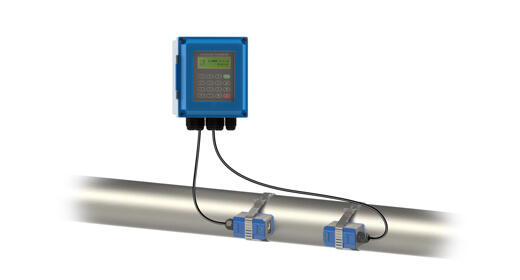
N-UFM Ultrasonic Flow Meter with Clamp
No pipe cutting, non-contact transit-time technology. Accuracy ±1%, repeatability 0.2%
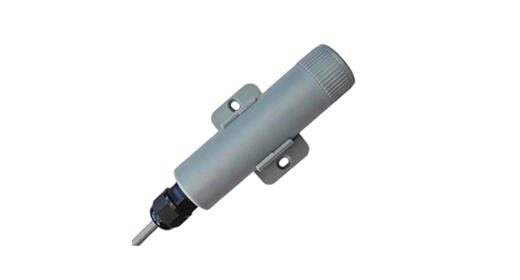
Electrochemical-free Ambient NDIR CO2 Sensor
SENSIRION SCD41 photoacoustic NDIR principle for high accuracy in a compact, cost-effective design. Delivers high accuracy, excellent long-term stability
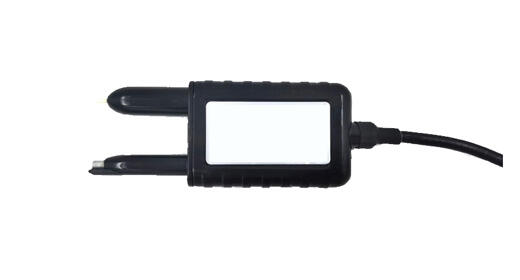
S-PH Soil/Substrate PH Sensor
Solid AgCl + pure metal electrode: glass-free, ultra-stable, high accuracy IP68 buried design with temperature compensation and reverse-connection protection
Stay Updated with ArvumX
Subscribe to our newsletter for latest sensor technology updates, industry insights, and special offers.
By subscribing, you agree to our Privacy Policy and consent to receive updates from our company.